Address
Building B No.333 Haiyang Road Pudong Shanghai China
Work Hours
Monday to Friday: 9AM - 10PM
Weekend: 10AM - 8PM
Address
Building B No.333 Haiyang Road Pudong Shanghai China
Work Hours
Monday to Friday: 9AM - 10PM
Weekend: 10AM - 8PM
As electric scooters become increasingly popular, the LCD display mounted centrally on the handlebars has become a standard feature on many models. It is not merely a decorative element showcasing technological sophistication but also a critical interface connecting the rider to the vehicle. Evolving from simple indicator lights to full-color liquid crystal displays, the history of this small screen mirrors the intelligent development of electric scooters.
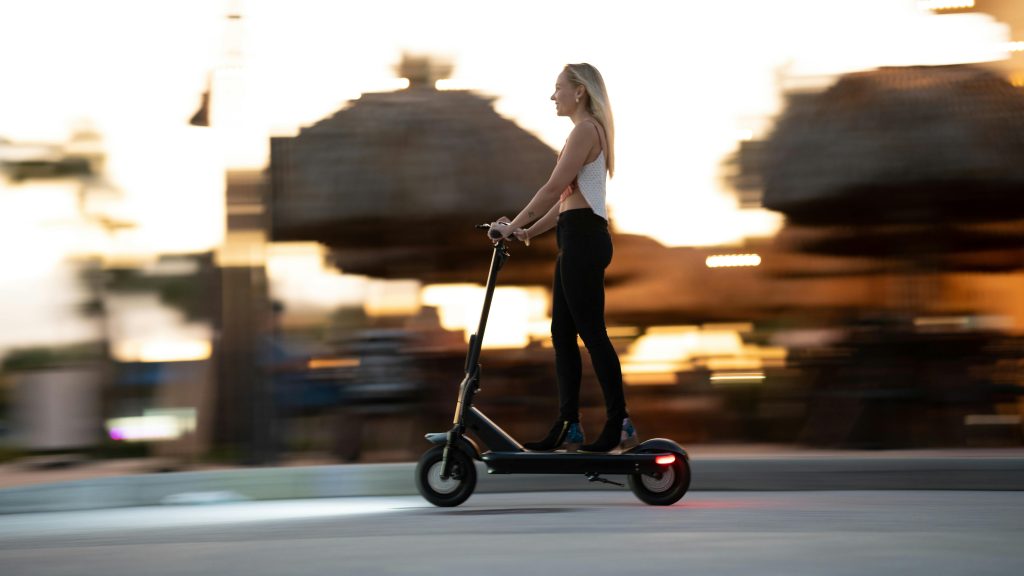
The core function of the LCD display is to provide real-time riding data. Compared to traditional analog gauges or simple LED indicators, the LCD screen accurately presents key information such as speed, battery level, and mileage in digital form. Riders no longer need to guess the remaining battery power, as the numerical percentage display allows for precise energy management. The real-time speed display helps riders comply with road speed limits, while the total and single-trip mileage records offer data support for vehicle maintenance and travel planning. The intuitive presentation of this information significantly enhances both riding safety and convenience.
The LCD display has evolved into an intelligent hub for human-vehicle interaction. Through buttons integrated around the screen or touch controls, riders can:
This integrated control system greatly reduces the number of physical buttons on the vehicle, making the operation logic clearer and more intuitive.
The LCD display plays a vital role in ensuring safety:
These warning functions enable riders to take timely measures to avoid potential hazards.
With the development of IoT technology, the LCD displays on high-end electric scooters have become gateways to smart ecosystems:
This connectivity transforms electric scooters from mere transportation tools into smart mobile terminals.
Modern LCD displays also offer personalized customization:
These details allow each electric scooter to reflect the rider’s individual preferences.
Beyond functional value, the LCD display significantly impacts product aesthetics:
These design considerations perfectly blend technology with aesthetics.
Looking back at the development of electric scooters, the LCD display has evolved from a simple information-display device into a comprehensive platform integrating function control, safety warnings, and smart connectivity. It acts as the “smart brain” of the vehicle, providing essential data support and lowering the barrier to use through intuitive interaction, ensuring that technology truly serves people’s travel needs. As emerging technologies like augmented reality (AR) mature, future display systems for electric scooters may integrate with helmets or glasses to enable safer and more convenient information presentation. However, no matter how technology evolves, its core mission remains unchanged: to serve as an efficient bridge connecting humans and machines, making every journey smarter, safer, and more enjoyable.