Address
Building B No.333 Haiyang Road Pudong Shanghai China
Work Hours
Monday to Friday: 9AM - 10PM
Weekend: 10AM - 8PM
Address
Building B No.333 Haiyang Road Pudong Shanghai China
Work Hours
Monday to Friday: 9AM - 10PM
Weekend: 10AM - 8PM
Many electric scooter enthusiasts often wonder: What is the normal lifespan of an electric scooter? In fact, the answer to this question is not a simple number—whether it’s 3 years, 5 years, or 10 years. Instead, it is a complex equation composed of product quality, usage habits, maintenance, and environmental factors.
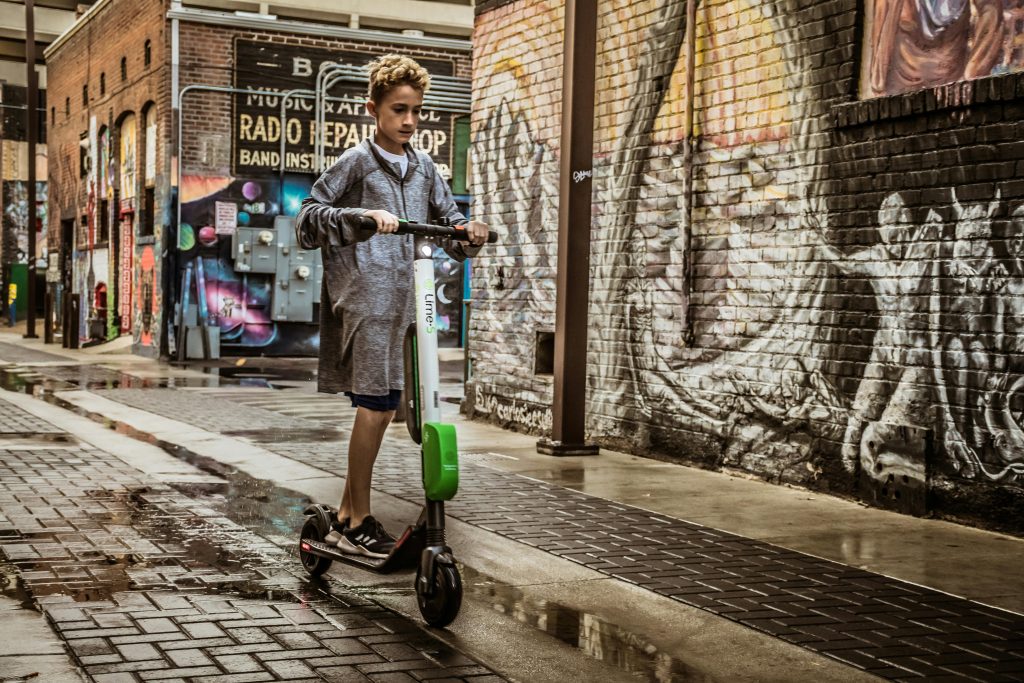
The durability of core components largely determines the overall lifespan of the vehicle. The battery, as the “heart” of the electric scooter, has a cycle life that directly impacts the vehicle’s longevity. Currently, mainstream lithium-ion batteries typically offer 300-500 full charge-discharge cycles. Based on charging 2-3 times per week, the battery lifespan is approximately 3-5 years. The motor, as the power core, has a design life of usually 2,000-5,000 hours for brushless DC motors. Assuming daily use of 30 minutes, the motor can last 8-15 years. The frame structure and tire wear are closely related to usage intensity. An aluminum alloy frame can last 5-8 years under normal use, while solid tires typically have a lifespan of 3,000-5,000 kilometers.
Usage habits cannot be overlooked in their impact on lifespan. A gentle acceleration habit can reduce the load on the motor and controller by 30%; avoiding overloaded riding (standard load capacity is generally 100 kg) can significantly extend the life of the frame and suspension system; slowing down on rough roads reduces component wear; proper charging methods (such as avoiding over-discharging and not charging immediately after use) can extend battery life by more than 20%.
Maintenance is key to extending lifespan. Simple maintenance practices, such as regularly checking the brake system, maintaining proper tire pressure, cleaning the body to prevent corrosion, and periodically inspecting screw tightness, can extend the vehicle’s life by 30%-50%. Storage conditions are equally important. Avoiding extreme temperatures (ideal storage temperature is 0-40°C) and humid environments can effectively prevent electronic component aging and metal part corrosion.
The lifecycle of an electric scooter typically exhibits distinct peoriod characteristics. The golden period (1-2 years) is when all performance are at their peak, with almost no need for repairs; the stable period (3-4 years) sees the beginning of battery capacity degradation (usually to 80% of the initial capacity), and tires may show signs of wear; the decline period (5 years and beyond) requires more frequent maintenance and may involve major repairs such as battery replacement or motor overhaul.
Choosing products from well-known brands often mean better quality and longer lifespan. These products typically use higher-standard components and stricter quality control. Regular maintenance includes checking the brake system every six months, inspecting tire wear monthly, and keeping the vehicle clean and dry.
Using original parts for repairs and replacements ensures compatibility and reliability. Non-original parts may be cheaper but often cannot match the performance and lifespan of genuine parts. Developing good usage habits, such as avoiding sudden acceleration and deceleration, not overloading, and avoiding use in extreme weather conditions, can effectively extend the vehicle’s life.
When repair costs exceed 50% of the vehicle’s value, considering replacement rather than repair may be a more economical choice. If the battery capacity drops below 60% of its initial capacity, replacing the battery is often more worthwhile than continuing to use it. If there are serious safety hazards, such as cracks in the frame or severe aging of the brake system, stop using the vehicle immediately.
As electric scooters become more popular, disposal of scrapped vehicles has also become an important issue. Recycling lithium batteries can reduce environmental pollution, and the recycling rate of metal components can reach over 90%. Choosing products designed for repairability and supporting the “right to repair” movement are important ways to promote sustainable development in the industry.
Based on big data and product testing, the average lifespan of an electric scooter under moderate usage intensity is 4-6 years. High-quality products, combined with good usage habits and regular maintenance, can even last more than 8 years. This time span is enough for users to experience the technological advancements brought by upgrades and also reflects the durability achievements of modern industrial products.
Therefore, the lifespan of an electric scooter is not just a concept of time but also a journey of adaptation between humans and machines. By understanding product characteristics, cultivating good usage habits, and providing proper maintenance, we can not only extend the physical life of the product but also gain more joy and value from this travel experience. After all, the best lifespan is one that meets travel needs while harmoniously coexisting with the environment through sustainable usage habits, isn’t it?