Address
Building B No.333 Haiyang Road Pudong Shanghai China
Work Hours
Monday to Friday: 9AM - 10PM
Weekend: 10AM - 8PM
Address
Building B No.333 Haiyang Road Pudong Shanghai China
Work Hours
Monday to Friday: 9AM - 10PM
Weekend: 10AM - 8PM
Electric scooters speeding through urban streets have become a bright and beautiful sight in modern city life. Many enthusiasts are tempted by the question: Can electric scooters be modified? The answer to this question is far more complex than it might seem—while technically feasible, it involves not only technical exploration but also legal and safety considerations.
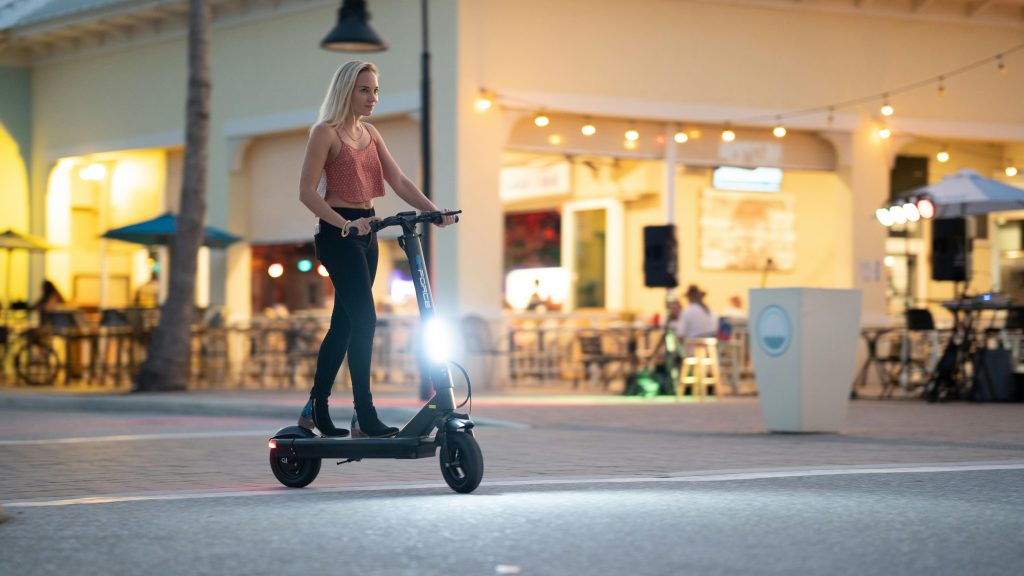
From a purely technical perspective, there is indeed considerable room for modifying electric scooters. Enthusiasts who are passionate about technical modifications usually focus on three core systems:
Power system modifications are the most common direction. By replacing the motor with a higher-powered one, upgrading the controller (ESC), and increasing battery capacity, some speed-seeking enthusiasts attempt to break through the factory-set speed limits. Online stores even offer modification kits specifically designed for certain models, promising to increase the speed from the standard 25 km/h to 40 km/h or higher.
Control system modifications are also popular. Replacing tires with wider, sportier ones to enhance grip, installing high-performance braking systems to improve stopping power, and modifying reinforced suspension systems to enhance the riding experience—these are all relatively common modification projects.
Appearance and functional modifications are more personalized. Adding high-brightness lighting systems, installing uniquely colored LED light strips, and mounting phone holders and audio equipment—these modifications, while not affecting performance, can make the vehicle more distinctive and reflective of the rider’s personality.
However, modifications come with significant risks that cannot be ignored. Foremost among these is safety. Factory-made electric scooters undergo rigorous testing and verification, and any uncalculated modifications can disrupt the overall balance. Overpowering the motor may cause overheating, creating a fire hazard; non-original battery packs may lack necessary protection circuits, increasing the risk of explosion; arbitrarily removing speed limits can extend braking distances, directly threatening riding safety.
Next is the issue of legal liability. Most countries and regions have clear regulations restricting electric scooters, including maximum speed, motor power, and vehicle specifications. Unauthorized modifications may lead to the vehicle being deemed illegal for road use, resulting in fines or even confiscation. In the event of a traffic accident, insurance companies may also refuse claims due to illegal modifications.
It is worth noting that not all modifications are prohibited. Some modifications that do not affect the core performance and safety of the vehicle are generally tolerated or even encouraged:
Safety-enhancing modifications, such as adding reflective strips, installing bells or horns, or replacing lighting systems with compliant ones, are usually permitted. These modifications not only do not violate regulations but can also improve riding safety.
Comfort adjustments, such as replacing handlebar grips, adjusting pedal materials, or adding shock-absorbing pads, are generally acceptable as long as they do not alter the vehicle’s structure or performance parameters.
Maintenance replacements, where original parts are damaged and replaced with compliant third-party components, are usually not considered illegal modifications, provided the new parts match the specifications of the original ones.
In the face of modification culture, consumers need to think rationally. Modification is not just a technical operation but also an assumption of responsibility. Before considering modifications, several key questions are worth pondering:
What is the purpose of the modification? If it is for commuting efficiency, it might be wiser to choose a factory model with higher specifications. If it is for pursuing extreme speed, one must recognize the potential legal and safety consequences.
What is one’s own capability? Modifications require professional knowledge and technical support. Users lacking electronic and mechanical knowledge who attempt modifications blindly are essentially creating hidden dangers for themselves.
Can one bear the consequences? The potential losses from accidents and legal disputes resulting from modified vehicles are issues every modifier needs to consider in advance.
As the electric scooter industry matures, manufacturers are beginning to offer official modification options. Some leading brands have launched performance upgrade packages, providing tested and certified modification services through official channels. This model not only meets users’ personalized needs but also ensures the safety and legality of the vehicle, potentially pointing the way for future development.
At the same time, regulatory policies are continuously improving. Some regions have begun certifying and standardizing modification parts, providing a legal basis for safe modifications. This approach of balancing innovation and regulation may pave the way for a healthy development of modification culture.
So, technically, modifications are possible, but from a legal and safety perspective, extreme caution is required. While pursuing personalization and performance, we must not forget that the primary purpose of a vehicle is to be safe and reliable. Perhaps the wisest choice is to make limited personalized adjustments within the legal framework, through official channels and certified parts, ensuring that riding remains both fun and safe. After all, the true joy of riding lies not in absolute speed but in the freedom and peace of mind that come with being in control.